In a world saturated with logos, viral “hauls,” and the relentless clamor of fast-fashion trends, a counter-current has emerged with the persuasive force of a silent command. It is the realm of “Quiet Luxury” and the “Old Money” aesthetic—a philosophy of dress that speaks not in shouts, but in murmurs; that values substance over spectacle, and legacy over hype. This is not merely a trend, but a timeless language of discernment, telling a story of who you are not through branding, but through being.
At its core, quiet luxury is the art of subtraction. It eschews the overt signals of wealth—the flashy logos, the trend-driven silhouettes—in favor of an almost forensic attention to intrinsic value. It is a cashmere sweater so finely spun it feels like a second skin, the weight of a perfectly tailored wool blazer, the soft, glove-like drape of bias-cut silk. The color palette tends toward a symphony of neutrals: camel, cream, charcoal, navy, and the stark poetry of pure black and white. This is not a lack of imagination, but a deliberate focus on harmony, versatility, and a kind of aesthetic permanence that defies the seasonal calendar.
This modern movement draws its inspiration from the storied “Old Money” aesthetic—a style historically associated with inherited wealth and aristocratic ease, epitomized by families like the Kennedys, the Hepburns, or fictional dynasties like the Roys of Succession. The old money code is one of understatement and appropriateness. It is clothing that is suited to purpose: rugged Barbour jackets for country weekends, impeccably worn-in polo shirts, well-tailored trousers that have seen decades of service. The goal is not to impress newcomers but to be recognized by one’s own circle through a shared, unspoken vocabulary of quality. The fabric is everything; the label is irrelevant.
The allure of this aesthetic is profoundly psychological. In an age of influencer marketing and manufactured desire, quiet luxury offers a return to authenticity and autonomy. It is a rejection of the “peacocking” that often accompanies new wealth—what sociologist Thorstein Veblen termed “conspicuous consumption.” Instead, it embraces “inconspicuous consumption,” where the expense is known only to the wearer and the equally knowledgeable observer. It creates a private club based on taste, not income. The power lies in the confidence it projects: a person dressed in quiet luxury does not need your validation; their assurance comes from within, ratified by the impeccable integrity of their choices.
Brands that have become synonymous with this ethos—Brunello Cucinelli, Loro Piana, The Row, Khaite, and older houses like Hermès—do not sell clothing so much as they sell a principle. They emphasize craftsmanship, natural materials, and timeless design. A Loro Piana vicuña coat or a pair of The Row’s architectural mules are investments in an object that is meant to last a lifetime, becoming more imbued with character with each wear. This stands in direct opposition to the disposability of fast fashion, positioning itself as both a sustainable and a deeply personal choice.
Yet, the aesthetic’s recent surge into the mainstream, fueled by shows like Succession and the “stealth wealth” trend, presents a fascinating paradox. Can a style built on exclusion and subtlety remain authentic when it becomes a widely adopted uniform? The answer lies in the philosophy’s very essence. While anyone can buy a beige sweater, true quiet luxury cannot be purchased in a single transaction. It is cultivated. It is in the maintenance—the regular tailoring, the careful storage, the shoe repairs. It is in the mixing of a truly luxurious piece with a simple, well-cut pair of jeans or a vintage find. It is, ultimately, an attitude of care and intentionality.
Therefore, the quiet luxury and old money aesthetic offer more than a style guide; they propose a more mindful relationship with our wardrobes and our selves. They invite us to ask not “What is this saying?” but “How does this make me feel?” and “Will this endure?” In a noisy world, they champion the profound impact of whisper, the confidence of restraint, and the radical idea that the richest statement is the one you never have to make aloud. It is the art of letting your quality speak for itself, confident that those who matter will understand the language perfectly.
Related Posts
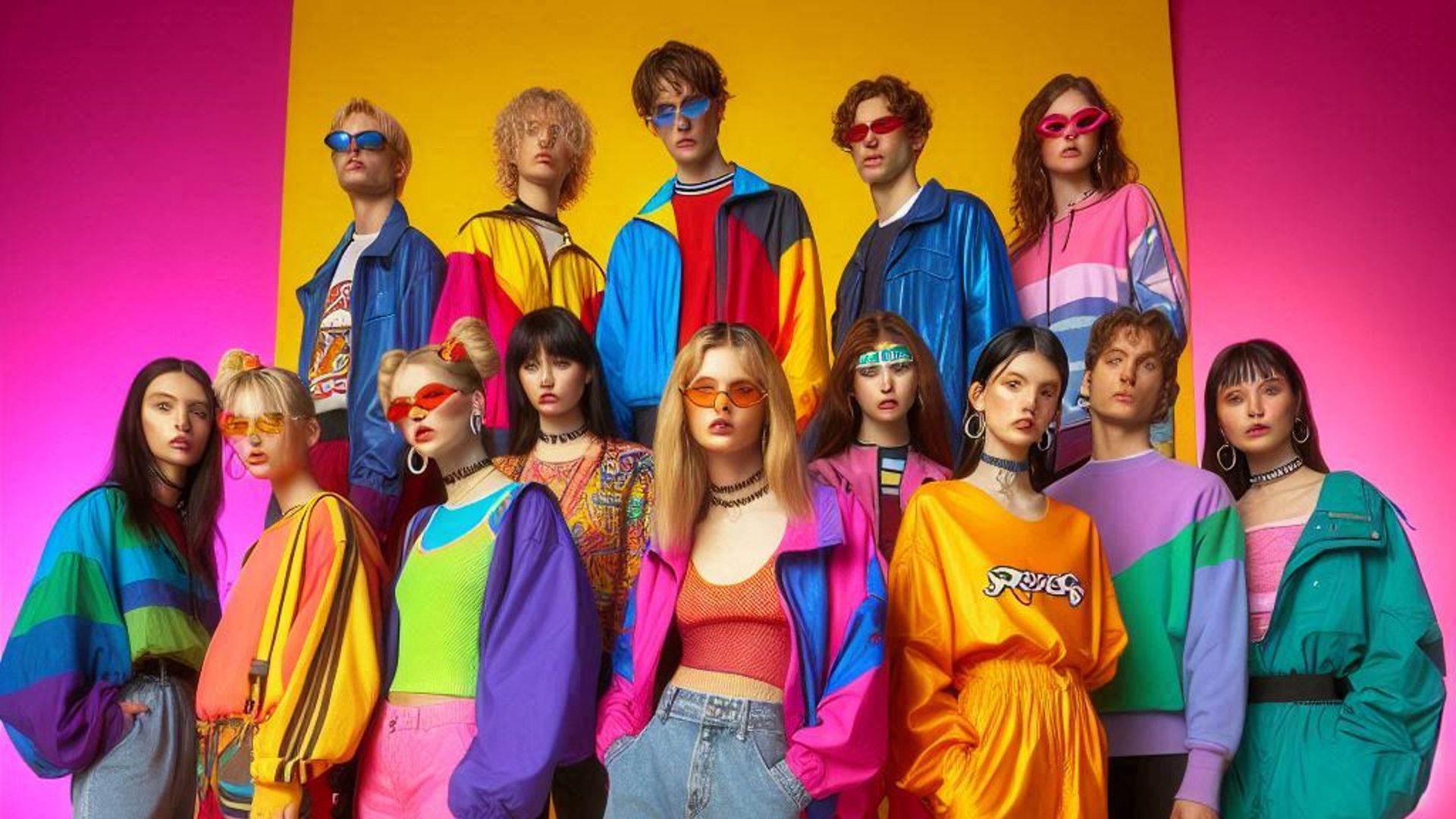
90s/Y2K Nostalgia: The Future We Dreamed of, Perfected
Nostalgia is rarely a perfect echo; it is a conversation…
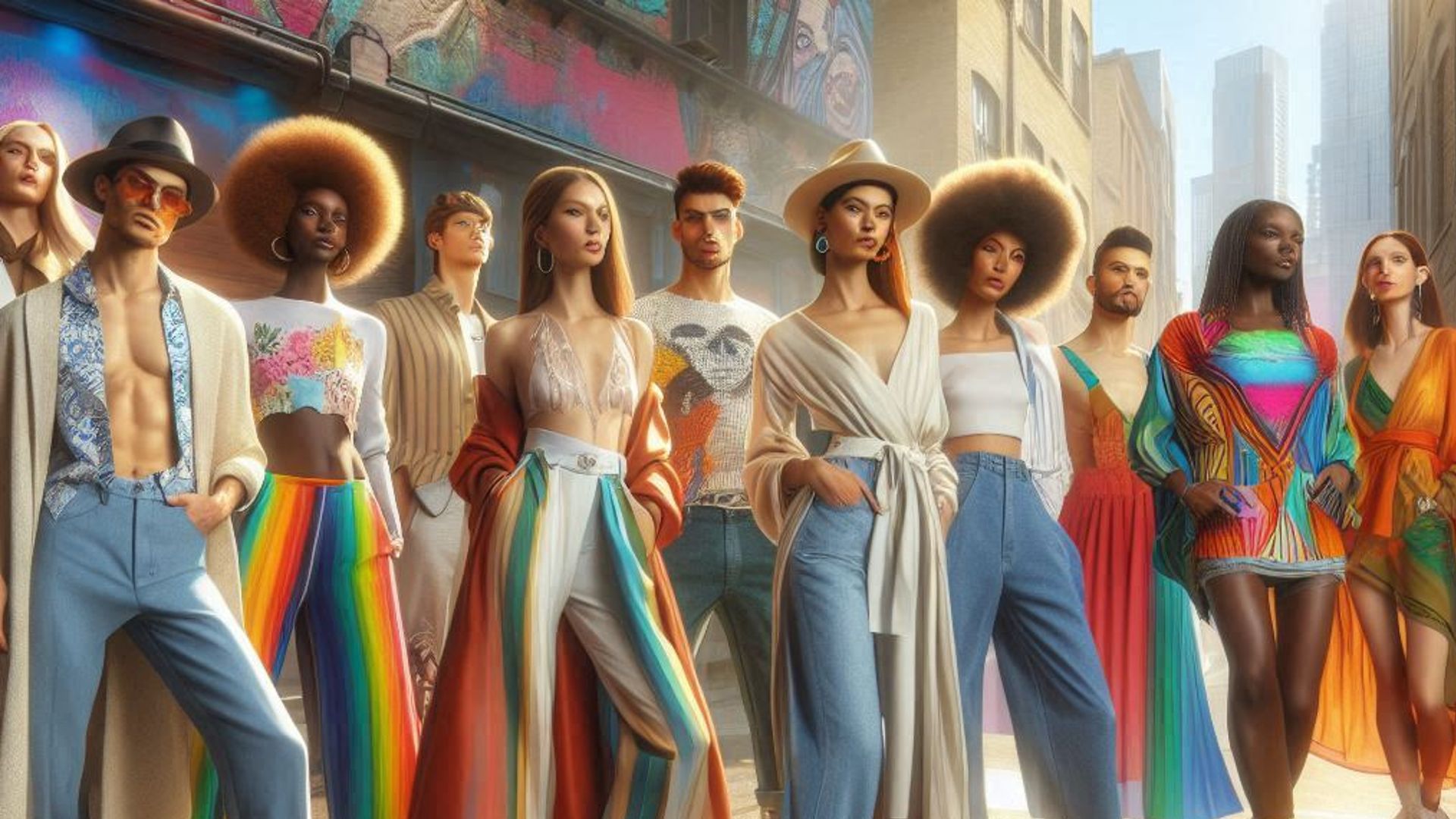
The Liberating Frontier of Gender-Fluid & Inclusive Fashion
For centuries, fashion has served as society’s most visible sorting…
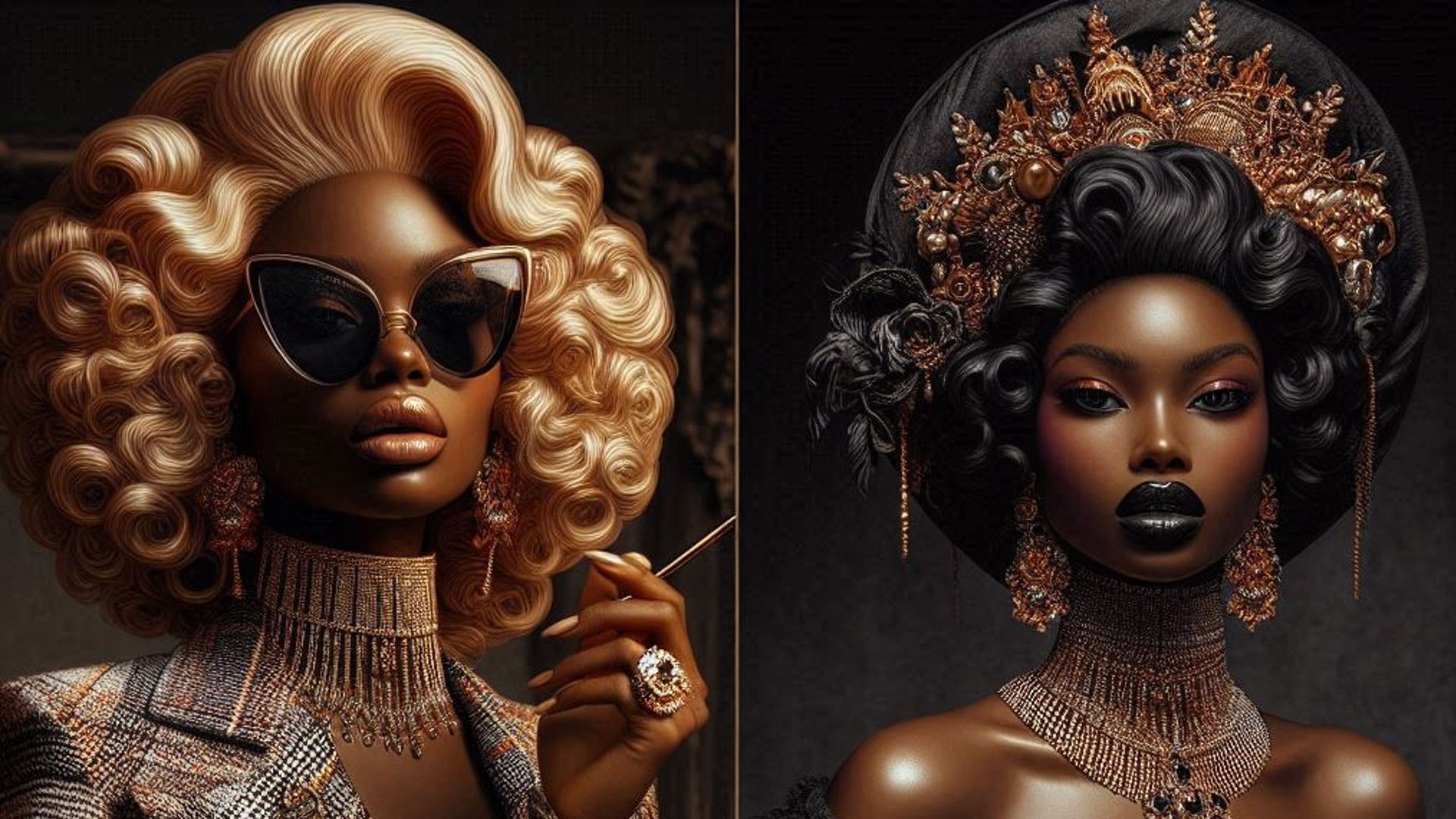
Mob Wife Aesthetic & Baroque Opulence
For years, the sartorial spotlight has been dominated by the…